How to Pack Artwork for Moving: Guide from Boston Movers
Moving can be a real pain, especially when you’re worried about your stuff, like your artwork. At Flash Moving & Storage we’ve been moving Boston residents for over 8 years. We’ve earned a 5-star rating because we care about your stuff as much as you do. We’ve seen what happens when artwork isn’t packed right—it gets damaged and nobody wants that. So we put together this guide to help you protect your valuable pieces during your move. Whether it’s a delicate canvas painting, a family portrait in a frame or even a large sculpture, proper packing is key to making sure your art gets to your new home in the same condition it left the old one.
Get Your Packing Supplies: Art Protection Toolkit
Before you even touch your artwork you need to get the right supplies for packing. We promise having these on hand will make the whole process so much easier. This is step 1 and the most important part of how to pack artwork for moving. Here’s your toolkit:
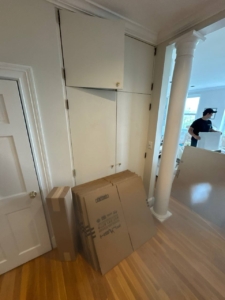
- Acid-free tissue paper: This is your first layer of protection. It prevents your artwork from discoloring over time. Regular paper can contain acids that can damage your art so this is a must have.
- Glassine paper: This smooth, non-stick paper is a barrier against scratches especially important for delicate surfaces.
- Bubble wrap (various sizes): We recommend having a few different sizes on hand. Larger bubbles for bigger pieces, smaller bubbles for more delicate items. This is your main source of cushioning.
- Packing tape : Don’t just grab any old tape. Use strong packing tape or choose one with “Fragile” printed on it. This alerts movers (or yourself!) to be extra careful. Avoid masking tape or brown paper tape, they aren’t strong enough.
- Sturdy moving boxes (various sizes, including flat picture box and artwork box if available): You’ll need boxes that fit your art. We recommend getting specialized artwork boxes or flat picture boxes if you have larger pieces. Regular moving boxes won’t provide enough protection.
- Packing peanuts or foam padding: These fill the empty spaces inside the box so your artwork doesn’t shift during transport.
- Markers: For labeling. We’ll get to labeling later but trust us, it’s important.
- Gloves (cotton or nitrile): This might seem like overkill but wearing gloves prevents fingerprints and oils from getting on your artwork.
- Measuring tape: This is crucial for measuring your artwork so you can choose the right size box.
- Knife or box cutter: Be very careful when using these. A sharp blade is safer than a dull one but always cut away from yourself.
- Cardboard corner protectors: These are little cardboard triangles that protect the corners of framed pieces so they don’t get crushed or dented.
- Palette wrap or cling wrap: This is a bonus layer of protection especially for sculptures or odd shaped pieces.
You can find these packing supplies at moving supply stores, online retailers like Amazon or even local hardware stores. Acid-free packing paper is crucial especially for long term storage. We can’t stress this enough!
Getting Ready to Pack
Now that you have your supplies it’s time to get your artwork ready to pack. This is where you need to be extra careful.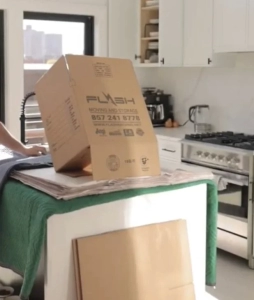
- Cleaning: Gently wipe your art pieces with a soft, dry cloth to remove dust. Never, ever use liquids unless you’re a professional conservator.
- Glassine Paper Wrap: Wrap the artwork in glassine paper first. This creates a smooth, non-abrasive layer against the artwork’s surface.
- Acid-Free Paper Layer: Next wrap it with several layers of acid-free packing paper. This provides extra protection and prevents the bubble wrap from touching the artwork.
- Plastic Wrap/Cling Wrap (Optional but Recommended): For extra protection especially for valuable art pieces we recommend using plastic wrap or cling wrap as an added layer before the bubble wrap. This keeps dust and moisture out.
- Bubble Wrap Layers: Now for the bubble wrap! Wrap the wrapped frame with multiple layers of bubble wrap and secure with packing tape. We recommend at least two layers but for fragile pieces you might want to use more.
- Securing the Wrap: Don’t let the tape touch the artwork; use masking tape or painter’s tape to secure the plastic wrap or packing paper if needed. This prevents sticky residue from getting on your art.
Box Selection
The box is just as important as the wrapping. It needs to be sturdy and the right size. This is another important part of how to pack artwork for moving.
- Measuring and Choosing a Box: Measure your artwork carefully. Choose a moving box slightly larger than the vertical dimensions of the piece, leaving enough room for several inches of padding on all sides. We recommend at least 3-4 inches of space all around.
- Bottom Cushioning: Create a cushioning layer at the bottom of the box with packing peanuts, crumpled newspaper or foam padding. This will absorb shocks during transport.
- Placing the Artwork: Place the wrapped artwork in the box making sure there’s enough room for more padding around all sides to prevent movement.
- Filling Empty Space: Fill any empty space with more padding. You want the artwork to be snug but not squished.
- Creating a “Nest”: For odd shaped art create a “nest” of packing material to secure it. This will prevent it from rolling or sliding around in the box.
- Packing Multiple Artworks: For multiple artworks of the same size you might consider putting them in one box with added protection between each piece. Use extra layers of cardboard or foam padding to create dividers.
Sealing and Labeling the Box: Send a Clear Message
Now that your artwork is in the box it’s time to seal and label it. 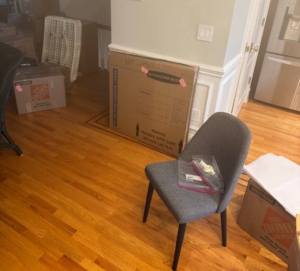
- Sealing with Tape: Seal the box with packing tape using the “H” taping method. This involves taping along all seams and across the middle creating an “H” shape. This provides maximum strength and prevents the box from opening during transport.
- Clear Labeling: Label each box clearly with “Fragile,” “Handle with Care,” “This Side Up” and a detailed description of the contents (e.g. “Framed Painting – Still Life,” “Canvas Art- Landscape”). This is crucial to prevent damage.
- Additional Labeling: You can also add your name and contact info to the box in case it gets lost.
Special Considerations for Different Types of Artwork: Customized Protection
Different types of artwork require different packing methods. Here’s some tips:
-
- Framed Artwork: For framed artwork with glass in the frame apply an “X” of masking tape across the glass for added support and to contain shards if it breaks. Use cardboard corner protectors on the corners of the wrapped frame. For larger framed pieces you might want to use mirror boxes or have custom wooden crates made.
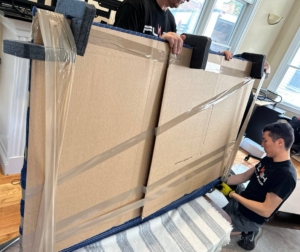
- Sculptures/3D Artwork: Wrap the entire sculpture with multiple layers of bubble wrap and secure it with palette wrap or cling wrap. For extremely valuable or fragile pieces custom wooden crates are recommended.
- Rolled Canvases/Posters: Roll them carefully and put them in sturdy mailing tubes. Never fold them!
Hiring Professional Movers: The Ultimate Peace of Mind
For very valuable paintings, valuable art pieces or large collections we highly recommend hiring professional white glove movers. At Flash Moving Company we have the experience and expertise to pack artwork properly and handle your valuable pieces with care. We can provide custom crating, extra bubble wrap and ensure your artwork gets in our moving truck safely. Our professional movers are trained to handle all types of art from delicate framed paintings to entire sculptures. We know how to pack pictures, pack paintings and pack artwork for moving.
Summary: Your Art’s Safe Journey
Packing artwork for moving requires planning, the right supplies and a gentle touch. By following these steps you can minimize the risk of damage to your valuable pieces. If you’re feeling overwhelmed or have valuable pieces consider hiring professional movers like us. We’re here to make your move as smooth and stress free as possible. Contact Flash Moving today for a free quote and let our Boston movers handle your artwork with care. We want to help you move your artwork so you can get settled into your new home.

 (857) 241-8778
 email
email