Moving Packing Essentials: Everything You Need to Know
Introduction: Why Proper Packing is Key to a Stress-Free Move
Proper packing is the cornerstone of a stress-free move. It not only ensures that your belongings are protected during transit but also streamlines the entire moving process. With the right packing supplies and techniques, you can avoid damage to your items, reduce the risk of loss or theft, and make unpacking a breeze. This comprehensive guide will walk you through everything you need to know about packing for a move, from essential moving supplies to expert packing tips. Whether you’re moving across town or across the country, these insights will help you stay organized and make your move as smooth as possible.
Preparing for Your Move
Preparing for a move can feel overwhelming, but with a clear plan, you can stay on track and ensure a smooth transition. Here are some essential steps to take before you start packing:
Determine Your Moving Budget
 Setting a moving budget is crucial for planning a successful move. You’ll need to account for the cost of packing supplies, moving equipment, labor, and transportation. Start by getting quotes from different moving companies and comparing prices to find the best deal. Online moving cost calculators can also help you estimate your expenses. By having a clear budget, you can avoid unexpected costs and make informed decisions about your move.
Create an Inventory of Your Belongings
Creating an inventory of your belongings is a vital step in the packing and moving process. It helps you keep track of your items, identify what needs to be packed, and ensure that everything is accounted for during the move. Begin by going through each room and making a list of your belongings. You can use a moving app or a simple spreadsheet to organize your inventory. This step will not only help you stay organized but also make it easier to label boxes and find items when you unpack.
Declutter and Downsize
Decluttering and downsizing are essential steps in preparing for a move. They help you reduce the number of items you need to pack, save money on moving costs, and create a more organized and clutter-free home. Start by going through each room and sorting items into three categories: keep, donate, and discard. Be ruthless – if you haven’t used it in the past year, it’s probably safe to get rid of it. Donating items can also be a great way to give back to your community and lighten your load.
By following these steps, you can ensure a smooth and stress-free move. In the next section, we will provide you with a comprehensive guide to packing supplies and materials.
Proper Packing is Key to a Stress-Free Move
When it comes to moving, packing right is the key to getting your stuff to your new home in one piece. Whether you’re moving in Boston, MA, or to Raleigh, NC, the right packing techniques and supplies can make all the difference. A well-organized packing process keeps you on schedule and reduces the stress of the move. This guide will cover all the moving and packing essentials you need, including how to protect your fragile items, how to use your packing supplies, and how many boxes you’ll need. Whether you’re using professional movers or doing a DIY move, this guide will get you ready for every step.
Moving Packing Supplies
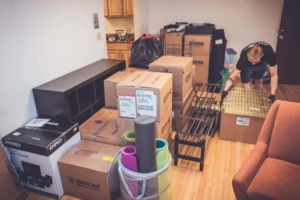 The first step in any move is to gather your supplies. Whether you’re moving across town or across the country, the same basic supplies apply. Here are the must-haves for a smooth move:
1. Cardboard Boxes
No move can happen without cardboard moving boxes; they come in all sizes to fit all types of items. It is important to have different sizes and to purchase extra boxes to prepare for unexpected packing challenges. For clothes, wardrobe boxes are the way to go; you can hang your clothes directly inside the box. Specialty boxes for mirrors or dishes provide extra protection for fragile or oddly shaped items. For general household items, a combination of smaller boxes for heavier items and larger boxes for lighter or bulkier items is key.
2. Moving Blankets and Furniture Pads
Protecting your furniture is a big part of moving. Moving blankets and furniture pads are designed to protect large, bulky items during transport. These soft but durable materials will prevent scratches and dings on your wooden furniture, electronics, and other valuables. If you’re using a moving truck, these will be especially important.
3. Packing Materials: Bubble Wrap, Packing Paper, and more
Protecting fragile items during a move is all about the right packing materials. Bubble wrap is one of the most popular choices for wrapping breakable items like dishes, glassware, and electronics. Or packing paper is a more eco-friendly option and great for filling in empty spaces in boxes to prevent shifting during the move. Plastic baggies are perfect for small or loose items.
4. Stretch Wrap and Plastic Wrap
To keep furniture secure, especially when moving bulky items like dressers or couches, stretch wrap is a must. It will protect against scratches, dust, and dirt, and keep moving parts like drawers from opening during transport.
5. Hand Trucks, Cargo Straps, and Bungee Cords
Moving large or heavy boxes and furniture is much easier with a hand truck or dolly. These tools will reduce the physical strain of lifting and allow you to move heavier boxes without injury. Cargo straps and bungee cords can be used to secure items inside the moving truck to prevent shifting that can cause damage.
Packing Materials to Protect Your Stuff
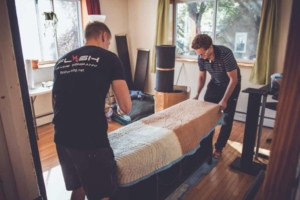 When packing your belongings, especially fragile and valuable items, the right materials make all the difference. Here’s a breakdown of the packing materials you’ll need to protect your stuff during a move.
Bubble Wrap and Packing Paper for Fragile Items
Bubble wrap is a must for wrapping fragile items like glassware, china, and electronics. The air-filled bubbles will cushion the item and prevent damage. When packing dishes or vases, consider double wrapping each item with bubble wrap for extra protection.
Packing paper is another option, especially for padding items inside boxes. It’s cheaper than bubble wrap and can be crumpled up to fill empty spaces in boxes so your items don’t shift during the move. Make sure to use enough packing paper when packing fragile items to minimize movement.
Moving Blankets for Furniture and Large Items
Bulky items like couches, dressers, and tables are prone to scratches and dents during the move. That’s where moving blankets come in. These thick padded blankets will provide an extra layer of protection so your furniture arrives at its new location without damage. Furniture pads do the same thing and can be used for smaller items.
Stretch Wrap and Plastic Wrap for Securing Items
For items with moving parts—like dressers with drawers or kitchen cabinets—stretch wrap is a must. It will keep doors and drawers from opening during the move and protect furniture from dust and scratches. Plastic wrap does the same for loose or smaller items.
How to Pack Each Room: Room by Room
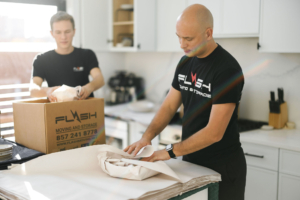 Packing your whole house may seem daunting but breaking it down room by room will make it more manageable. Here’s a guide to packing each room of your house:
1. Dining Room
Fragile items like dishes, glassware and fine china need extra care. Use packing paper or bubble wrap to wrap each item individually. Label boxes with fragile items and put heavier items at the bottom of the box and lighter items on top. Use smaller boxes for these heavy items to prevent overloading.
2. Living Room
The living room has bulky and fragile items like TVs, artwork and electronics. For large furniture, use moving blankets and stretch wrap to protect surfaces from scratches and scuffs. For electronic devices pack them in their original boxes if possible or use specialty boxes for electronics.
3. Bedroom
For clothing wardrobe boxes are a great option that allows you to move clothing directly from your closet to the box without folding. This will prevent wrinkles and make unpacking a breeze. Smaller bedroom items like shoes, books and accessories can be packed in small boxes to prevent overloading.
4. Kitchen
The kitchen is one of the hardest rooms to pack because of the number of fragile items. Wrap each dish, cup and glass in bubble wrap or packing paper and put them in small boxes to prevent shifting. Pack heavier items like pots and pans in larger boxes but don’t make them too heavy to lift.
5. Bathroom
Although the bathroom is an easy room to pack don’t forget to separate and pack essentials like toiletries in a separate bag for easy access when you first arrive. Make sure liquids are sealed tight to prevent leaks.
How Many Boxes Will I Need?
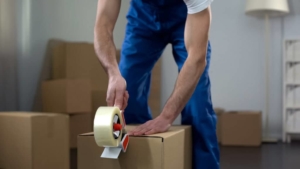 One of the biggest questions people ask when preparing for a move is, “How many boxes will I need?” The number of boxes you need depends on the size of your house and the amount of stuff you have.
Room by Room
Studio or 1-bedroom apartment: 10-15 small boxes, 3-5 large boxes, 5-8 medium boxes
2-bedroom apartment: 20-25 small boxes, 10-15 medium boxes, 5-10 large boxes
3- or 4-bedroom house: 40-50 small boxes, 15-20 medium boxes, 10-15 large boxes
Box Size and Weight
When packing heavy items like books or fragile items always use smaller boxes. This will prevent the box from getting too heavy to carry and reduce the risk of damage. For lighter, bulkier items use larger boxes. Make sure to distribute weight evenly across all boxes so they’re easy to carry and less likely to break during the move.
Labeling and Organizing: Make Unpacking Easier
 Labeling is one of the most important parts of the packing process. It will save you hours of frustration when unpacking and tell the movers where to put each box in your new home.
Using Permanent Markers to Label Boxes
Once your boxes are packed use a permanent marker to label each box with the room it goes in (e.g. “Kitchen”, “Bedroom”). Also include a brief description of the contents like “fragile items” or “books”. Make sure to label all sides of the box so the label is visible no matter how the box is stacked.
Essentials for Quick Access
Pack a separate bag or box with essentials you’ll need right away like important documents, toiletries, a first aid kit and a few changes of clothes. Label this box as “Open First” so you can get to it as soon as you get to your new home.
Other Moving Supplies You’ll Need
In addition to the obvious packing supplies you’ll need other important supplies to make the move smooth.
Cleaning Supplies
Before you leave your old home or get to your new one you’ll likely need to do some cleaning. Pack paper towels, basic cleaning supplies and trash bags in an easy to reach box. Having these on hand will allow you to clean up any messes before you settle in.
First Aid Kit
Accidents can happen during a move especially when handling heavy furniture and sharp objects like box cutters. It’s important to have a box cutter for unpacking, but handle it carefully to avoid injuries. Make sure to have a basic first aid kit on hand in case of minor injuries.
Toilet Paper and Other Essentials
When you get to your new home you may not want to unpack right away. Make sure to pack toilet paper, soap and other daily use items in a separate bag so they’re available as soon as you get there.
Ways to Save Money on Moving Supplies
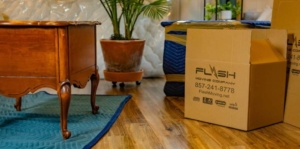 Moving can be costly but there are ways to save on packing and moving supplies without sacrificing your belongings.
1. Reuse Boxes
One of the simplest ways to save is to reuse boxes. Ask local stores if they have any boxes you can take or reuse boxes from previous moves. Or check online marketplaces where people give away used moving boxes for free.
2. Buy in Bulk
If you need to buy new packing supplies consider buying in bulk to get a discount. Stores often give a discount when you buy large quantities of boxes, packing tape and bubble wrap.
3. Use Household Items as Packing Materials
Instead of buying extra packing material use household items like towels, blankets and clothes to wrap fragile items. This will save you money and reduce waste.
4. Rent a Truck Instead of Hiring Movers
If you want to save money overall on your move renting a moving truck and doing the move yourself can be a more cost effective option than hiring full service movers. Just make sure you have the necessary supplies like cargo straps and bungee cords to secure your items during the drive.
Moving Essentials
Moving doesn’t have to be a nightmare if you have the right supplies and strategy. From gathering moving supplies to packing and labeling boxes a plan will help you stay organized and make unpacking easier. Pack room by room, estimate how many boxes you’ll need and don’t forget to label everything. Follow these tips and use the right packing materials and you’ll protect your belongings and have a smoother move.
Ready for packing services? Contact us! We serve Boston, MA, Raleigh, NC and everywhere in between. Let us do the heavy lifting and packing so you can get settled.
You might also find our article intriguing:
Good Luck to You 🌊
FAQ – Moving Packing Essentials
What packing supplies do I need for a move?
The most important moving supplies include sturdy cardboard boxes, packing tape, bubble wrap, packing paper, stretch wrap, furniture blankets, labels, and permanent markers. Specialty boxes for dishes, mirrors, TVs, and wardrobe items can also help protect valuable belongings during transportation. Using high-quality packing materials reduces the risk of damage and keeps your move organized.
How many moving boxes will I need?
The number of moving boxes depends on the size of your home and how many belongings you have. A studio apartment may require around 15–20 boxes, while a larger family home can need 60 or more. It’s always recommended to buy extra boxes to avoid last-minute packing problems. Using a mix of small, medium, and large boxes helps distribute weight properly and makes moving easier.
What should I pack first when moving?
Start by packing items you use less often, such as seasonal clothes, decorations, books, storage items, and guest room belongings. Leave everyday essentials like toiletries, chargers, medications, and kitchen basics for the final days before moving. Packing room by room also helps you stay organized and reduces stress during unpacking.
How do I protect fragile items during packing?
Fragile items should be wrapped individually using bubble wrap or packing paper and placed securely inside sturdy moving boxes. Fill empty spaces with packing paper or soft materials to prevent shifting during transport. Glassware, dishes, electronics, mirrors, and artwork often require extra cushioning and careful labeling to avoid damage during the move.
Should I label moving boxes?
Yes, labeling moving boxes is one of the best ways to simplify unpacking. Each box should include the room name and a short description of the contents, such as “Kitchen – Fragile” or “Bedroom – Clothes.” Clearly labeled boxes help movers place items in the correct rooms and allow you to quickly find important belongings after the move.
What is an essentials box for moving?
An essentials box contains the items you’ll need immediately after arriving at your new home. This may include toiletries, medications, chargers, important documents, snacks, basic kitchen supplies, toilet paper, cleaning products, and a change of clothes. Keeping these necessities in a clearly marked “Open First” box helps you stay comfortable during the first day of your move.
Is it better to pack yourself or hire professional packing services?
Packing yourself can save money, but professional packing services save time and provide expert protection for fragile or valuable items. Professional movers use high-quality packing supplies and proven techniques to reduce the risk of damage during transportation. Hiring professional packers is especially helpful for large homes, tight moving schedules, long-distance relocations, or delicate belongings like artwork, antiques, and electronics.

 (857) 241-8778
 email
email