How Do I Start Packing For Move: Your Ultimate Guide with Pro Tips
Moving is exciting but can be overwhelming—especially the packing part. Many people ask “How do I start packing to move?” or “Where do I even begin?” A good packing process is key to a smooth and stress free move. This guide will take you through how to start packing for a move, from getting your packing supplies to labeling boxes and loading the moving truck. Whether local or long distance move, these packing tips will help.
Getting Started
Set a Move Date and Create a Schedule
Setting a move date and creating a schedule is key to a smooth and stress free move. Start by deciding on a move date and create a countdown calendar to track the days leading up to the move. Break down the move into smaller tasks like packing, cleaning and hiring movers and assign deadlines to each task. This will help you stay on track throughout the move.
Start Packing Now
You should start packing early to avoid last minute madness. Begin by packing non essentials like out of season clothes, decorative items and books at least 4-6 weeks before the move. This will give you time to sort through your belongings, declutter and pack items you don’t use often. Use packing paper, bubble wrap and packing tape to protect fragile items and keep them safe during the move.
Declutter
Decluttering before packing is a great way to reduce the amount of items you need to pack and move. Go through each room and sort items into three categories: keep, donate and discard. Be brutal when it comes to getting rid of items you no longer need or use. Consider donating gently used items to charity or selling them online. This will not only reduce the amount of items you need to pack but also make the move more efficient.
1: How Do I Start Packing To Move
Packing seems like a big task but the best way to tackle it is to break it down into smaller steps. The first step in any move is organization.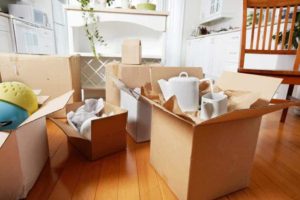
1.1 Declutter Before Packing
Before you even think about boxing up your stuff, you need to declutter. Go room by room and sort items into four categories: Keep, Donate, Sell, Discard. Decluttering will not only reduce your load but also make packing more efficient. The less you have, the easier it will be to pack, move and unpack in your new home.
- Non Essentials: Pay special attention to items you haven’t used in over a year. These items take up space and make moving harder. Donate old clothes or furniture or have a garage sale to get rid of extra stuff. Also consider downsizing bulky seasonal items like holiday decorations.
2: Packing Supplies
2.1 Get Packing Supplies
Getting packing supplies is key to protecting your belongings during the move. You’ll need a bunch of supplies including packing boxes, packing paper, bubble wrap, packing tape and markers. Consider buying in bulk to save money and have enough for the whole move. You can also use items like toilet paper rolls and plastic bags to protect fragile items and keep them organized.
2.2 Packing Essentials 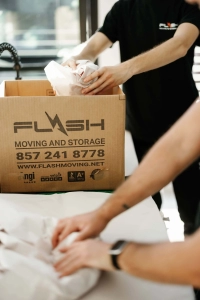
Here are the essentials:
- Packing boxes: Sturdy, corrugated boxes that can hold your stuff.
- Packing paper: Acid free paper to wrap fragile items and protect them.
- Bubble wrap: Plastic wrap to protect fragile items from shock and vibration.
- Packing tape: Strong adhesive tape to seal boxes and keep them shut.
- Markers: Permanent markers to label boxes and keep them organized.
- Cardboard boxes: Sturdy, corrugated boxes to pack books, clothes, kitchenware.
- Plastic bags: Reusable bags to pack linens, towels and clothes.
By following these tips and using the right packing materials you’ll have a smooth and stress free move.
2.3 Choosing the Right Box
One of the biggest mistakes people make when packing is choosing the wrong size box. Properly packing moving boxes is key to a smooth and stress free move. Larger boxes may seem more efficient but if filled with heavy items like books they become hard to carry. Use small boxes for heavy items and large boxes for light items like pillows and clothes.
3: Room by Room Packing
Packing room by room is one of the best ways to not feel overwhelmed. Start with the least used rooms and work your way up to the rooms you use every day.
3.1 Packing Non Essential Rooms First 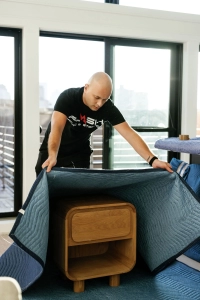
Start your packing with non essential rooms. Packing non essential rooms first allows you to pack moving boxes efficiently without disrupting your daily routine. These are rooms like your guest room, storage unit or basement that you don’t use daily. Packing these first will clear space and help you declutter.
- Seasonal clothing: Pack out of season clothes first. If you’re moving in summer pack away your winter clothes like heavy jackets and boots.
- Holiday decorations: These don’t need to be accessible right away so pack them early in the process and label them clearly.
- Storage unit: If you’re using a storage unit consider moving those items in advance or pack them last since you won’t need them right away.
3.2 Kitchen and Dining Room
The kitchen and dining room are full of breakable items that need extra care when packing. When packing moving boxes for the kitchen and dining room make sure fragile items are well padded to avoid damage. You need to pack these rooms carefully to avoid damage.
- Dishes: Wrap each dish individually in packing paper or bubble wrap, add cushioning in between layers. Heavy items at the bottom of the box and light items on top.
- Fragile items: Use bunched up paper or packing peanuts to fill empty spaces in boxes with fragile items like fine china or glassware.
- Pantry items: When packing your pantry get rid of anything expired. Pack non perishable food items in a sturdy box that won’t spill.
3.3 Bedrooms
Bedrooms have a mix of clothes, shoes, books and personal items each with its own packing method.
- Pack clothes: Use trash bags or wardrobe boxes to pack hanging clothes. You can put them directly in the bag while they’re still on the hanger to make unpacking easier.
- Pack books: Books are heavy so pack them in small boxes. Fill any empty spaces in the boxes with packing paper to prevent them from shifting.
4: Labeling Boxes and Organizing
Organizing during a move is key to reducing stress and making unpacking at your new home easier.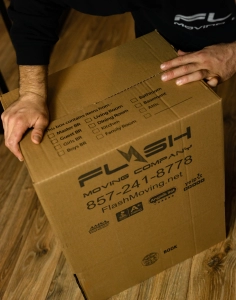
4.1 Label Every Box
As you pack label the boxes clearly. Use a permanent marker to write down what’s in the box and which room it goes in (e.g. “Kitchen – Pots and Pans” or “Bedroom – Winter Clothes”. For boxes with fragile items add labels like “Fragile” or “Handle with Care” so movers know to handle them with care.
4.2 Packing Timeline
A packing timeline will keep you on track during the move. Start packing non essential rooms 4-6 weeks before your move date and save essential areas like the kitchen and bathrooms for the last week.
Packing Timeline:
- 4-6 weeks before moving day: Pack storage areas, seasonal items and guest rooms.
- 3-4 weeks before: Pack bedrooms and living rooms.
- 1-2 weeks before: Pack frequently used areas like the kitchen and bathrooms.
- Moving day: Pack any last minute items and make sure your moving truck is loaded properly.
5: Packing Fragile and Special Items
Some items need special attention when packing like fragile items, electronics and valuable documents.
5.1 Packing Fragile Items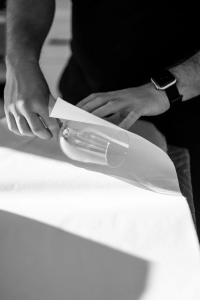
Fragile items like glassware, picture frames and heirlooms need extra padding to prevent damage. Use lots of bubble wrap, packing paper and packing peanuts to keep them safe during the move.
- Fine china: Wrap each piece of fine china in packing paper and put them in their original boxes if possible. If not, double box them with extra padding.
- Breakable items: Items like lamps or vases should be packed with care. If the items are small, pack them in the same box with lots of padding between them.
5.2 Packing Jewelry and Small Valuables
For items like jewelry and small valuables:
- String necklaces: Put necklaces in plastic bags to prevent tangling.
- Keep small items in their own boxes or use a small, padded box with extra cushion.
5.3 Important Documents
Keep important documents like passports, birth certificates and financial records in a separate, labeled file box. It’s best to carry these with you personally instead of putting them in the moving truck.
6: Packing Large Items
Packing large items like furniture and appliances requires planning and preparation.
6.1 Disassembling Furniture
Disassemble large pieces of furniture to make moving easier and to prevent damage. Keep screws and small parts in labeled plastic bags taped to the furniture. Use bubble wrap or furniture blankets to cover surfaces that can get scratched.
6.2 Appliances
For large appliances like refrigerators and washing machines clean them thoroughly before the move. Tape doors shut and wrap cords neatly to prevent tripping hazards.
7: Loading the Truck
7.1 Loading Techniques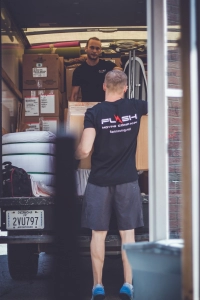
When loading the truck put the heaviest items (furniture and appliances) in first, towards the back of the truck. Stack moving boxes on top, with the heaviest ones at the bottom. Fragile boxes should be on top or in a secure spot where they won’t move during the move.
7.2 Long Distance Moves
For long distance moves it’s even more important to pack carefully. Make sure all boxes are packed tight to prevent shifting. Use extra padding for fragile items and make sure everything is labeled clearly.
8: Moving Day and Unpacking
8.1 Essentials Box
Have a box labeled “Essentials” for items you’ll need right away at your new house. This box should have:
- Toilet paper, paper towels, cleaning supplies
- Toiletries and medications
- Important documents
- Basic kitchen items like your coffee maker and utensils
8.2 Unpacking
When you get to your new house, focus on unpacking the most important areas first, like the kitchen and bathrooms. Refer to the labels on your boxes to see which rooms to tackle first.
9: Hiring Professional Movers
Hiring professional movers can make the moving and packing process so much easier. Whether you need help packing fragile items, heavy furniture or just loading and unloading, a professional moving company can save you time and energy.
9.1 Benefits of Professional Movers
- Save time: Movers can do the heavy lifting while you focus on your new home.
- Stress free: Leave the packing and logistics to the pros, so your items arrive safely.
- All the difference: Movers have experience packing fragile boxes and loading trucks to prevent damage.
End
Packing can be overwhelming but with the right tips and a packing schedule you can make it more doable. Start early, get your packing supplies and tackle your house one room at a time. If you want a stress free move consider hiring professional movers to do the work for you. Ready to get started? Contact Flash Moving today!

 (857) 241-8778
 email
email