101 Useful Moving & Packing Hacks and Tips for Your Upcoming Move
Planning and Preparation: The Key to a Smooth Move
Moving to a new home, whether across town or to a different state, requires a lot of planning and preparation. If you want to avoid unnecessary stress and ensure a seamless transition, it’s essential to start organizing early and make use of smart packing techniques. Below, we’ll discuss some effective moving packing hacks and planning tips that will help streamline the process and keep you on track. Following these steps will save you time, reduce frustration, and make your move as smooth as possible.
1. Start Early: Pack 6-8 Weeks Before Moving Day
One of the most important moving tips is to start packing boxes early. Give yourself plenty of time, ideally 6 to 8 weeks before moving day, to start sorting and packing. This way, you can avoid last-minute rushing and prevent packing-related burnout. Starting early also gives you enough time to address any unexpected issues that may arise during the moving process.
2. Create a Moving Checklist
A detailed moving checklist is one of the best tools you can have when preparing for a move. This will help you organize your tasks by priority and timeline. Break down tasks into weekly sections, including purchasing packing supplies, scheduling the moving truck, and notifying utility companies of your address change. With a well-thought-out checklist, you’ll avoid unnecessary stress and ensure everything gets done on time.
3. Declutter: Donate Items You Don’t Need
As you start packing, you’ll quickly realize that not everything needs to come with you to your new home. Decluttering is a key step to making the packing process easier. Go through each room and identify items that no longer serve a purpose. You can either donate items to charity or recycle them. By doing this, you’ll reduce the number of boxes needed, saving time and space in the moving truck.
4. Sell Unwanted Items
Another effective way to reduce clutter and lighten your load is to sell items you no longer need. Consider hosting a yard sale or listing items on online marketplaces. Selling your belongings not only helps with decluttering but also puts some extra cash in your pocket, which can be useful for buying moving supplies or paying for movers.
5. Use a Few Boxes at a Time
One packing hack that can help you avoid feeling overwhelmed is to start packing a few boxes at a time. Don’t try to tackle everything all at once. Instead, dedicate time each day to pack a couple of boxes. This gradual approach will make the task more manageable and help prevent packing fatigue. Additionally, assess your capacity to carry boxes and consider enlisting help from friends or family if needed.
6. Label Boxes Clearly
Clearly labeling boxes is crucial to keeping everything organized during the move. Mark boxes with the room they belong to and the type of items inside. Use clear, legible writing and place labels on multiple sides of the box to ensure they’re visible no matter how they’re stacked. This will make unpacking easier and faster, as movers can place the boxes in the correct rooms from the start.
7. Color-Code Labels for Easier Identification
For even better organization, consider using a color-coding system for your boxes. Assign a color to each room in your new home and place a matching-colored label on each box. This will allow you and your movers to easily identify which room each moving box belongs to, saving time and confusion on moving day.
8. Create an Essentials Box
During the moving process, you’ll want quick access to essential items without having to sift through boxes. Prepare a separate box for daily necessities such as toiletries, medications, phone chargers, and a coffee maker. Having an essentials box will make your first night in the new home more comfortable, as you’ll have everything you need right away.
9. Measure Doorways and Furniture
Before moving day, measure both your furniture pieces and the doorways of your new home. This will ensure your larger items can fit through doorways, staircases, and hallways without issue. Knowing in advance which pieces of furniture need to be disassembled can save you from potential headaches and delays on moving day.
10. Photograph Electronics for Easy Reassembly
Disassembling and reassembling electronics can be tricky. To make it easier, take photos of the wiring setups for your electronic devices like televisions, computers, and gaming consoles before packing them away. These photos will serve as a guide when it’s time to reconnect everything, saving you time and preventing mistakes.
Packing Supplies You’ll Need for a Successful Move
When it comes to moving, having the right packing supplies can make a significant difference in the efficiency of your packing process. Whether you’re packing fragile items or large furniture, gathering the proper materials is essential to protect your belongings and ensure a smooth transition. Below is a comprehensive guide on the supplies you’ll need, along with some packing hacks to save time and space during your move.
11. Stock Up on Supplies
Before you begin packing, make sure you have a variety of moving supplies on hand. Essentials include:
- Packing boxes: These are necessary for transporting your items. Get a variety of sizes to fit everything from clothes to kitchen appliances. Use sturdy packing boxes to organize and safely transport your belongings, and consider labeling and distributing weight evenly across the boxes.
- Packing tape: Invest in strong, durable packing tape to secure your boxes and keep your belongings safe.
- Packing paper: This is great for wrapping fragile items like glassware and dishes.
- Markers: You’ll need markers to label your boxes for easy unpacking.
Having these basic supplies ready will help you stay organized and efficient throughout the packing and moving process.
12. Get Free Boxes
Moving can be expensive, so saving money on supplies where you can is a smart idea. One great hack is to check local liquor stores for free moving boxes. Liquor boxes are usually sturdy and the perfect size for packing heavy items like books or kitchenware. They are also easy to carry and stack, making them ideal for your move.
13. Use Wardrobe Boxes for Hanging Clothes
For your hanging clothes, wardrobe boxes are a lifesaver. They allow you to move clothing directly from your closet to the box without having to fold and rehang everything later. Wardrobe boxes not only save time but also keep your clothes wrinkle-free during the move.
14. Invest in Good Packing Tape
It’s tempting to go cheap on supplies like tape, but investing in good packing tape is crucial. Strong, durable tape ensures your boxes packed remain secure, preventing them from breaking open during the move. This is especially important for heavy or valuable items.
15. Use Garbage Bags for Non-Breakable Items
For non-breakable items like stuffed animals, bedding, or towels, garbage bags are an inexpensive and practical option. They are flexible and can fit into tight spaces in the moving truck. Be sure to use heavy-duty garbage bags to prevent tearing.
16. Bubble Wrap for Fragile Items
When packing fragile items such as dishes, glassware, or vases, nothing beats the protection of bubble wrap. It provides a cushioning layer that can absorb shocks during transport, keeping your delicate items safe. Wrap each item individually and make sure the box is well-padded with additional materials to prevent movement.
17. Buy Packing Paper in Bulk
For more eco-friendly packing, opt for packing paper. It’s a great alternative to bubble wrap for wrapping delicate items like glassware or china. Buying in bulk will save you money and ensure you have enough material for all your fragile belongings.
18. Save Shoe Boxes for Valuables
Small, sturdy shoe boxes are perfect for packing smaller, valuable items like jewelry, important documents, or small kitchen utensils. They provide extra protection and help you stay organized during the move.
19. Don’t Forget Paper Towels
When packing, keep paper towels handy. They’re useful for cleaning up any messes during the packing process and can also be used to add a layer of cushioning to delicate items.
20. Use Duct Tape for Heavy Boxes
For especially heavy or awkwardly shaped boxes, use duct tape to reinforce the edges and seams. This will prevent boxes from breaking under the weight of their contents and provide additional strength during transit.
DIY Packing Materials
When it comes to packing materials, you don’t always need to buy expensive supplies. Here are some creative ways to repurpose household items to make your move more efficient and cost-effective.
21. Use Old Newspapers for Wrapping 
Instead of spending money on packing paper, use old newspapers to wrap your fragile items. Simply take a sheet of newspaper and wrap it around dishes, glassware, or ornaments, securing it with packing tape. This provides a protective layer that helps prevent breakage and scratches during the move. Plus, it’s a great way to recycle!
22. Repurpose Towels and Linens as Padding
Your towels and linens can double as excellent padding for fragile items. Wrap delicate items like vases, picture frames, and electronics in towels or linens before placing them in moving boxes. This not only protects your items but also saves space by packing two things at once.
23. Use Reusable Grocery Bags for Small Items
Reusable grocery bags are perfect for packing small items such as toys, linens, and cleaning supplies. Fill each bag with your items and tie the top with a knot to keep everything secure. These bags are easy to carry and can be reused for shopping once you’re settled in your new home.
24. Utilize Socks for Glass Protection
Socks are surprisingly effective for protecting glassware and other fragile items. Slip a sock over each glass or mug, then wrap it in packing paper or bubble wrap for added protection. This method cushions your items and helps prevent scratches and breakage.
By using these DIY packing materials, you can save money on packing supplies and reduce waste. Just remember to be creative and think outside the box (or bag!) when it comes to packing your belongings.
Efficient Packing Hacks to Save Time and Space
In addition to gathering the right supplies, it’s important to pack smartly to save both time and space. Below are some effective packing tips to streamline the process.
25. Pack Room by Room 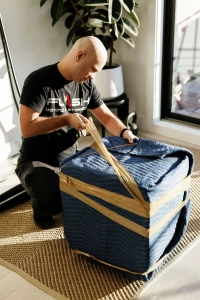
To stay organized, pack one room at a time. This will prevent items from different areas of your home from getting mixed together, making unpacking much easier.
26. Keep Boxes Light
Don’t overpack your boxes. Keep them light enough to carry comfortably, as the ability to carry boxes easily is crucial. Heavy boxes are not only harder to move but also more likely to break.
Use smaller boxes for heavy items
Like books to avoid putting too much strain on the box.
27. Use Soft Items as Padding
Instead of buying extra packing supplies, use items you already have like towels, blankets, and clothes to fill empty spaces in boxes. These soft items will cushion fragile belongings and save space by being packed more efficiently.
28. Use Egg Cartons for Small Delicate Items
Egg cartons are a great hack for protecting small, fragile items like jewelry or kitchen utensils. Place these items inside the egg cups for a snug fit, which will prevent them from shifting during the move.
29. Pack Plates Vertically
Packing plates vertically (like vinyl records) can help prevent them from breaking during transport. Place bubble wrap or packing paper between each plate for added protection.
30. Stuff Empty Spaces
To prevent items from shifting during the move, be sure to stuff empty spaces in your boxes with crumpled paper, towels, or linens. This will keep your belongings secure and reduce the risk of damage.
31. Cling Wrap Toiletries
Prevent spills during your move by sealing toiletries with plastic wrap under the caps. This is a simple but effective way to avoid messy leaks.
32. Bundle Silverware Together
Instead of packing your silverware loose, wrap it in plastic wrap and bundle it together. This will keep your silverware organized and prevent it from moving around in the box.
33. Use Garbage Bags for Clothes
Another hack for packing clothes is to use garbage bags for hanging items. Keep clothes on hangers, bundle them together, and cover them with a garbage bag. This makes unpacking quick and easy—just hang them up in your new closet.
How to Pack Fragile Items Safely
Packing fragile items requires special care to ensure they arrive safely. Items like glassware, electronics, and mirrors are prone to damage if not packed properly. Here are key tips to protect your delicate belongings:
34. Use Bubble Wrap Generously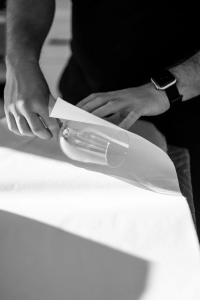
Wrap each fragile item, like glassware or figurines, in multiple layers of bubble wrap. Secure with packing tape and cushion the bottom of the box with additional padding to absorb impacts.
35. Double Box Fragile Items
For extra protection, use the double boxing technique. Place fragile items in a smaller, well-padded box, then place that box inside a larger one with more padding between the two.
36. X-Tape Mirrors and Glass
Apply packing tape in an “X” across mirrors or glass surfaces to prevent shattering. Then, wrap them in moving blankets or bubble wrap and transport them vertically to avoid damage.
37. Label Fragile Boxes Clearly
Clearly mark boxes containing fragile items with “FRAGILE” and add arrows indicating “This Side Up.” This ensures movers handle them with care.
38. Pack Lampshades Separately
Pack lampshades in individual boxes with ample padding. Don’t stack other items on top to avoid bending or damage.
39. Use Cardboard Separators for Dishes
Pack dishes vertically, using cardboard separators between them to prevent clashing. Fill gaps with packing paper or bubble wrap to reduce the risk of chips.
40. Use Original Electronics Boxes
If available, pack electronics like TVs and computers in their original boxes, which offer the best fit and protection. If not, wrap them in moving blankets and secure them well.
41. Protect Flat Screens with Special TV Boxes
Flat-screen TVs should be packed in specialized TV boxes or wrapped in multiple layers of bubble wrap and a moving blanket. Always transport them vertically.
42. Pool Noodles for Frame Protection
Cut pool noodles along one side and slide them over the edges of frames or mirrors to cushion and protect them from scratches.
43. Avoid Packing Candles in Heat
Candles can melt in warm conditions, so transport them in a cooler part of your vehicle instead of the moving truck to avoid a mess.
By following these tips, you can safely transport fragile items and ensure they arrive at your new home without damage.
Packing Large Furniture and Bulky Items
Packing and moving large furniture can be a challenging part of the moving process, but with the right approach, it can be done smoothly and efficiently. Here are some essential tips for handling bulky items and furniture pieces to ensure they arrive at your new home without damage.
44. Disassemble Furniture to Save Space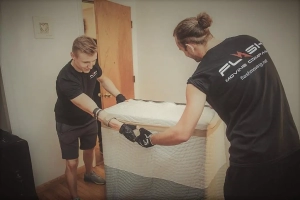
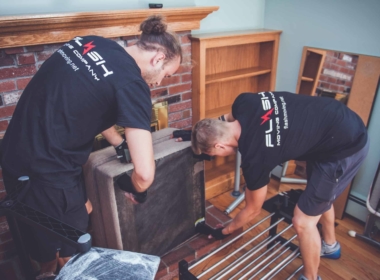
One of the best packing hacks for large furniture is to disassemble items like tables, bed frames, and desks. Removing legs, shelves, or other detachable parts makes the furniture easier to handle and saves space in the moving truck. Be sure to keep all screws and bolts organized in a labeled bag and tape it to the corresponding furniture for easy reassembly.
45. Use Moving Blankets for Protection
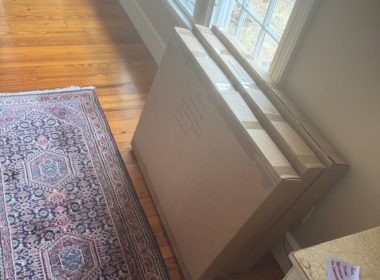
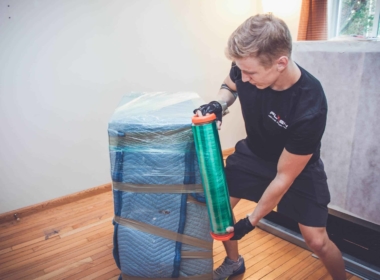
Large items like dressers, sofas, and tables should be wrapped in moving blankets to prevent scratches and dings. These blankets provide thick cushioning and can be secured with stretch wrap or packing tape to keep them in place.
46. Remove Sofa Cushions
Sofa cushions can take up unnecessary space in the moving truck. Pack them separately to make it easier to move the sofa frame. You can also use cushions as padding around other fragile items to save space and protect them from damage.
47. Use Furniture Sliders for Easy Movement
Furniture sliders are a great tool for moving heavy furniture without damaging your floors. Simply place the sliders under the legs of your furniture to glide them across the room. If you don’t have sliders, a towel or piece of cardboard can also work in a pinch.
48. Cover Mattresses in Plastic
To keep your mattresses clean during the move, wrap them in plastic mattress covers. This will protect them from dirt, moisture, and damage while being transported.
49. Use Stretch Wrap to Secure Drawers
Keep drawers in dressers and cabinets from opening during the move by using stretch wrap to secure them. This also allows you to move the furniture without removing the contents, saving time and effort.
50. Use Blankets to Pad Furniture
If you don’t have enough moving blankets, regular blankets or towels can also work to protect furniture from scratches. Wrap them tightly around furniture surfaces to add a layer of protection during the move.
51. Pivot Large Items Diagonally
When moving large furniture through doorways or tight spaces, pivot the items diagonally to make them easier to maneuver. This technique often provides more clearance and reduces the risk of scratching walls or door frames.
52. Use Furniture Straps for Heavy Lifting
For particularly heavy or bulky items, consider using furniture straps to lift and carry them. These straps help distribute weight evenly, reducing the strain on your back and making it easier to move large items without injury.
How to Pack the Kitchen Efficiently
The kitchen is one of the most challenging rooms to pack when moving. With fragile items, food, and small appliances, it requires a strategic approach to ensure everything arrives safely and unpacking is stress-free. Follow these packing tips for organizing your kitchen move efficiently. 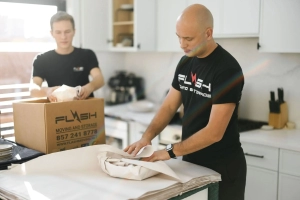
53. Use Small Boxes for Dishes
When packing dishes, it’s important to use smaller boxes to avoid overloading. Heavy boxes can break or be difficult to move. Wrap each dish in packing paper or bubble wrap and place them vertically in the box, like you would stack books. This will help prevent breakage during the move. Fill any gaps with crumpled paper or towels to ensure the dishes don’t shift during transit.
54. Wrap Knives Carefully
Knives can be dangerous if not packed correctly. A smart hack is to wrap knives in kitchen towels or dishcloths and secure them with packing tape. For added protection, you can also place the wrapped knives in a padded sleeve or sheath. This will keep the blades safe and prevent accidents during unpacking.
55. Defrost the Fridge in Advance
Be sure to defrost your refrigerator at least a day before the move. This will prevent any leaks or spills in the moving truck. After defrosting, wipe down the fridge to remove moisture and keep the appliance dry and clean.
56. Bag Spices and Pantry Items
Spices and pantry items are often overlooked, but they can create a mess if they spill. Use zip-lock bags to pack open containers and spices to prevent leaks. These bags will also keep small containers organized, making unpacking easier.
57. Cling Wrap for Open Containers
Open containers of food can leak during transit, causing unnecessary messes. Use plastic wrap to seal open containers of liquids like oils or sauces. Simply wrap the container tightly and secure the cap to avoid spills.
58. Pack Small Appliances Together
Group smaller kitchen appliances like your toaster, blender, and coffee maker into one box. Be sure to cushion them with bubble wrap or towels to avoid damage. This keeps your kitchen appliances organized and makes unpacking a breeze.
59. Use Original Appliance Boxes
If you still have the original boxes for your kitchen appliances, use them! These boxes are designed to provide the best fit and protection for items like a coffee maker or blender. If you don’t have the original boxes, use sturdy boxes and plenty of padding to prevent damage.
60. Clearly Label Food Boxes
When packing food, make sure to label boxes containing perishable items. You’ll want to unpack these first so that refrigerated items can be stored quickly. Labeling these boxes will help you prioritize when unloading the truck at your new home.
61. Cardboard Dividers for Glasses
Protect glasses and other stemware by using cardboard dividers. These can be placed inside boxes to prevent glasses from touching and breaking. You can often find dividers at liquor stores or use store-bought packing supplies designed for this purpose.
62. Keep Your Coffee Maker Accessible
For many people, having access to their coffee maker on moving day is essential. Pack it last so that it’s easy to access when you need a quick pick-me-up during the chaos of moving day.
Moving Day Preparation
Moving day can be hectic, but proper preparation will help you manage it efficiently. Follow these moving day tips to stay organized and reduce stress.
63. Pack a First Aid Kit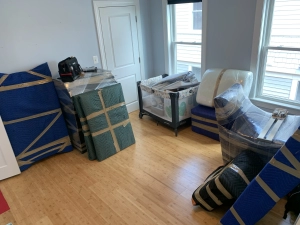
Accidents can happen during a move, so be prepared with a first aid kit. Include band-aids, antiseptic, and any necessary medications to handle minor injuries.
64. Pack a Survival Kit
A survival kit for moving day should include snacks, toilet paper, phone chargers, and basic toiletries. Keep this box with you for easy access to essentials throughout the day.
65. Wear Comfortable Clothes
Make sure to dress in comfortable, sturdy clothes on moving day. You’ll be doing a lot of lifting, bending, and moving, so proper clothing will make the day more manageable.
66. Protect Floors
Lay down blankets or mats to protect floors from scuffs and scratches as you move heavy furniture. This will prevent damage to your floors in both your old and new home.
67. Have Cash for Movers
If you’re using professional movers, make sure to have cash on hand to tip them for their hard work. A 10-20% tip is generally recommended based on the quality of service.
68. Supervise the Movers
If you’ve hired movers, be available to supervise and ensure they handle your fragile or valuable items with care. This is especially important for boxes marked as fragile.
69. Pack a Cooler with Drinks and Snacks
Moving can be tiring, so keep a cooler with cold drinks and snacks on hand to stay hydrated and energized throughout the day. This will keep you and your helpers going strong.
70. Order Takeout
Planning meals during a move can be tricky. Arrange for takeout to be delivered on moving day so that you can focus on the move and have one less thing to worry about.
71. Arrange Babysitting or Pet Sitting
Moving day can be chaotic, so it’s a good idea to have children and pets taken care of elsewhere. This will help you focus and make the process smoother.
72. Do a Final Walkthrough
Before locking up your old home, do a final walkthrough to make sure nothing has been left behind. Check all rooms, closets, and cabinets for any forgotten items.
Unpacking and Settling In
Once the move is complete, it’s time to start unpacking and settling into your new home. These tips will help you stay organized and make your new space feel like home quickly.
73. Start with Essential Boxes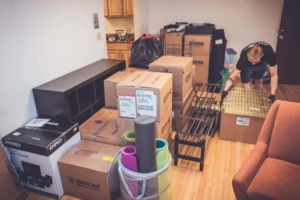
Unpack your essentials box first to get settled quickly. This includes items like toiletries, a coffee maker, and basic kitchen supplies.
74. Unpack Room by Room
To stay organized, unpack one room at a time. This will help you avoid overwhelming yourself and make the process feel more manageable.
75. Set Up Furniture First
Before unpacking smaller items, focus on setting up large furniture like beds, tables, and couches. Once these are in place, the rest of the unpacking will go more smoothly.
76. Unpack the Kitchen Early
Setting up the kitchen early is important for functionality. Once your kitchen is unpacked, you’ll be able to prepare meals and start feeling at home.
77. Make Your Bed
One of the first things you should do is make your bed. After a long day of moving, having your bed ready will be a welcome relief.
78. Hang Clothes Immediately
Transfer hanging clothes directly from your wardrobe boxes to the closet to avoid wrinkles and keep your clothing organized.
79. Don’t Rush with Décor
Focus on unpacking essential items first, and take your time with decorating. Get your home functioning before worrying about the details.
80. Organize as You Unpack
Take the opportunity to organize as you unpack to avoid clutter later. Place items where they belong, and use storage solutions to keep everything tidy.
81. Recycle Packing Materials
As you unpack, break down moving boxes and recycle them to keep your new home clutter-free.
82. Check Off Items from Your List
As you unpack, cross-check your inventory list to ensure that everything has arrived safely and nothing is missing.
By following these tips, you can ensure that your move goes smoothly, from packing the kitchen efficiently to settling into your new home with ease.
Hiring Professional Movers: Key Tips
Hiring professional movers is an excellent way to reduce the stress and workload of moving, ensuring your belongings are safely and efficiently transported. Here are key tips for hiring movers:
83. Research Early
Book movers at least a month in advance to secure your preferred date, especially during busy seasons like summer.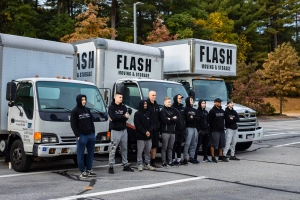
84. Get Multiple Quotes
Compare several quotes to find the best deal. Prices can vary depending on services, distance, and timing. Always ask for a detailed breakdown of costs, including packing materials or insurance.
85. Check Reviews and Ratings
Look at online reviews on sites like Google and Yelp to assess a company’s reliability. Pay attention to how they respond to customer complaints.
86. Verify Licenses and Insurance
Ensure the movers are licensed and insured. For interstate moves, verify their USDOT number. Confirm they provide insurance for your belongings.
87. Ask About Extra Fees
Clarify any potential extra fees, such as fuel surcharges or fees for large items, to avoid surprise charges on moving day.
88. Get a Binding Estimate
A binding estimate ensures the price won’t change after the move, providing peace of mind that you won’t face unexpected charges.
89. Prepare an Inventory
Create a detailed inventory of your belongings to track items and facilitate claims if needed.
90. Stay Present on Moving Day
Be available to answer questions and supervise the movers to ensure everything is handled properly and nothing is missed.
91. Provide Clear Instructions
Label boxes by room and indicate fragile items to make the process smoother and more organized for the movers.
92. Tip Your Movers
It’s customary to tip movers 10-15% of the total cost for a job well done, especially if they handle your belongings with care.
Long-Distance Moving Tips: Essential Advice for a Smooth Transition
Moving long-distance requires careful planning to ensure a smooth and stress-free process. Here are some essential tips to help organize your move effectively.
93. Pack an Overnight Bag
Keep essentials like clothes, toiletries, medications, and chargers in an overnight bag. This will help you settle into your new home without searching through boxes.
Tip: Pack pajamas, comfortable clothes, and important items to avoid feeling disoriented on your first night.
94. Plan Your Route
Use GPS to plan your driving route in advance, accounting for potential delays. If your trip takes more than a day, book hotels ahead of time.
Tip: Reserve accommodations early to avoid last-minute stress.
95. Keep Important Documents with You
Always keep valuables and important documents like passports and birth certificates with you in the car, not the moving truck.
Tip: Keep items like jewelry and laptops close to ensure their safety.
96. Arrange Auto Transport
If you’re not driving your car, book a reliable auto transport service early.
Tip: Research and choose insured companies for peace of mind.
97. Update Your Address
Notify the post office, utilities, and other services of your new address before moving to avoid service interruptions.
Tip: Set up mail forwarding to ensure you don’t miss important mail.
98. Keep Valuables Close
Avoid packing valuables in the truck; keep them in your car for extra protection.
Tip: Use a secure bag or box for easy access to important items.
99. Confirm Delivery Time with Movers
Coordinate your arrival with the movers and confirm the expected delivery time to your new home.
Tip: Keep mover contact info handy in case of delays.
100. Carry Cash for Expenses
Ensure you have enough cash for tolls, parking, and unexpected expenses during the trip.
Tip: Have cards accessible for gas and hotel stays.
101. Stay Positive and Organized
Long-distance moves can be overwhelming, so stay flexible, positive, and organized to manage the process smoothly.
Tip: Tackle tasks one step at a time and stay calm to handle unexpected challenges effectively.
By following these tips, you can ensure a smooth, stress-free move with the help of professional movers. And if you’re looking for a reliable moving company, Flash Moving & Storage is here to help. Whether you’re planning a local move or a long-distance relocation, we can handle the heavy lifting and logistics, making your move a seamless experience.

 (857) 241-8778
 email
email